
Natural Gas-to-Power Engineering & Field Services
From site screening to energization. One integrated team.
ARM Group brings engineering, environmental, permitting, construction, and commissioning expertise together to help deliver natural gas-to-power projects efficiently and with fewer handoffs.
One Integrated Team
Coordinated expertise from planning through startup
Technology-Neutral
Solutions aligned with site and operational needs
Faster Delivery
Identify constraints early and streamline execution
ARM Group's Natural Gas-to-Power Services
Site Due Diligence & Feasibility
- Site screening, power plant siting, and fatal-flaw analysis
- Technology-fit evaluation
- Gas supply, water supply, and cooling-water assessments
- Preliminary layout, design, cost estimating, and financial modeling
- Site-readiness roadmaps and go/no-go recommendations
Environmental & Natural Resources
- Phase I and Phase II Environmental Site Assessments
- Wetland delineation and stream characterization
- Threatened and endangered species and habitat surveys
- Cultural resource surveys and NEPA planning
- Local, state, and federal permitting and compliance
- Water quality, stormwater, and ecological assessments
Air Quality
- Early air quality screening and permitting-pathway evaluation
- Permit-driven technology and site-layout input
- Emissions inventory development and air permit applications
- NSR/PSD and Title V permitting support, where applicable
- Air permit compliance support through construction and operation
Geotechnical Engineering & Geophysics
- Subsurface investigations and geophysical surveys
- Turbine, engine, HRSG, stack, and equipment foundation design
- Shallow and deep foundations and ground-improvement solutions
- Geohazard assessment and mitigation for karst, sinkholes, mine voids, and unstable slopes
- Retaining walls and mechanically stabilized earth (MSE) berms
- Materials testing through an AMRL-certified laboratory
Civil/Site Development & Surveying
- Site layout, grading, access, drainage, and utilities
- Stormwater and erosion and sediment control design
- NPDES permitting
- Zoning approvals and 30%, 60%, 90%, and IFC plans
- Boundary and topographic surveying and construction stakeout
Mechanical Engineering
- Fuel-gas systems, routing, pressure, and delivery requirements
- Cooling-water systems and balance-of-plant coordination
- Mechanical equipment layout and constructability review
- Code review and permit drawings
- Mechanical construction-phase support and coordination
Power Engineering & Interconnection
- Interconnection strategy, applications, and studies
- Single-line diagrams, short-circuit studies, and load-flow studies
- Utility and transmission-owner coordination
- Medium- and high-voltage distribution and transmission design
- Substation engineering, protection, and controls
- Arc-flash, power quality, and FERC/NERC compliance support
Automation, SCADA & Controls
- SCADA, EMS, IPR, and DAS integration
- HMI development and PLC programming
- Utility telemetry and metering coordination
- System controls, integration, startup, and commissioning
Electrical Field Services & Testing
- NETA-certified testing and commissioning
- Breaker, switchgear, and protective relay panel fabrication, including Grid Gateway®
- Labeling, startup, and utility witness-test coordination
- Preventive maintenance and emergency services
Water Resource Engineering
- Groundwater and surface-water supply evaluations
- Cooling-water assessments
- Hydrologic modeling
- Water-use, drainage, and discharge coordination
Structural Engineering
- Equipment, foundation, support, and building design
- Structural evaluation of layout and equipment constraints
- Sealed drawings for building permits
- Construction-phase structural support
Construction Services
- Design-build construction and owner’s representative services
- QA/QC, testing, and inspection for soils, concrete, steel, and related materials
- Earthwork and foundation oversight
- Utility and infrastructure verification
- Construction coordination through startup and commissioning
Natural Gas-to-Power Challenges We Help Solve
Site Constraints
Grid Interconnection
Environmental Permitting
Fuel Supply & Delivery
Water & Site Utilities
Complex Geology & Slopes
Natural Resources
Team & Gap Schedules
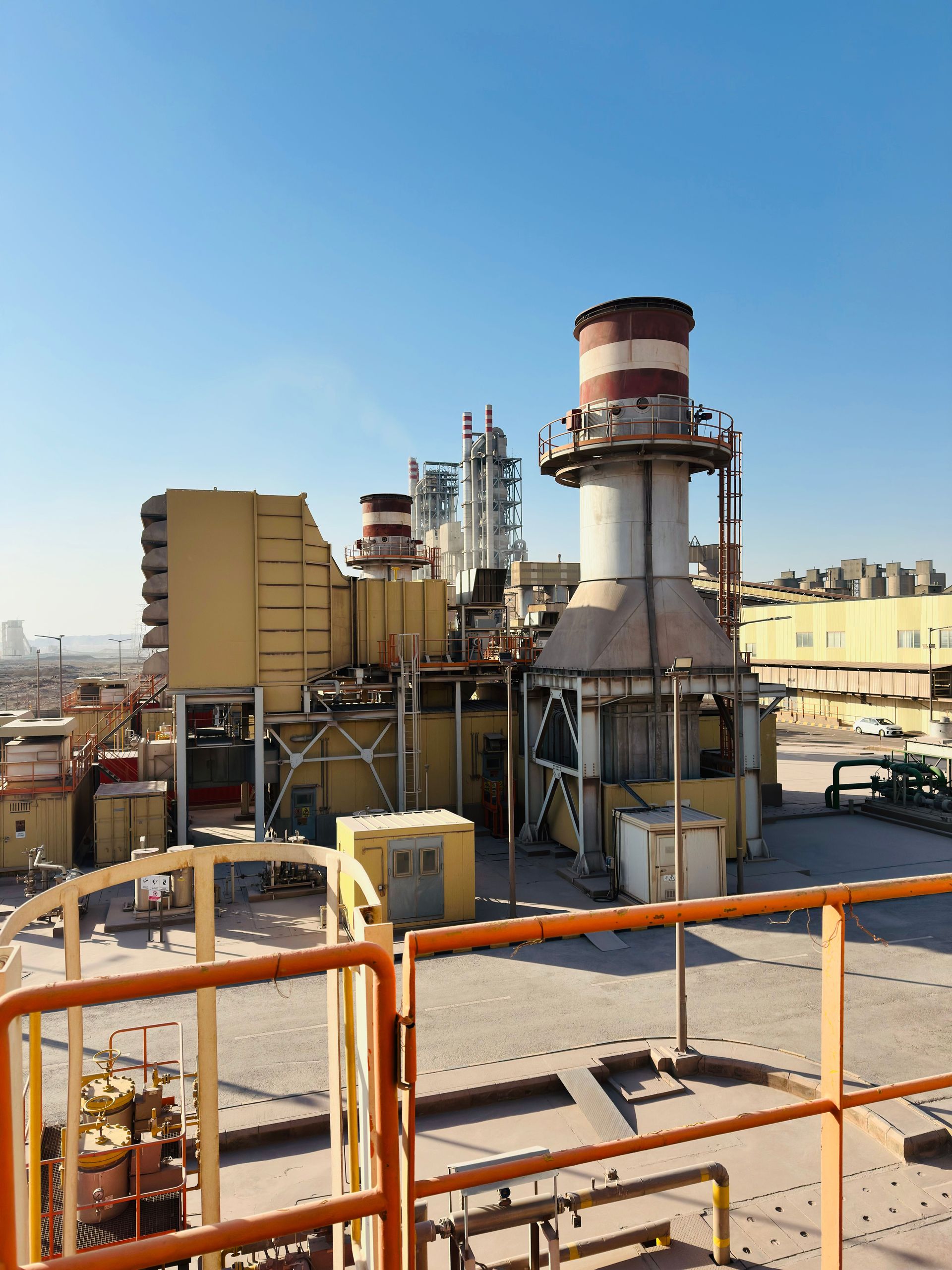
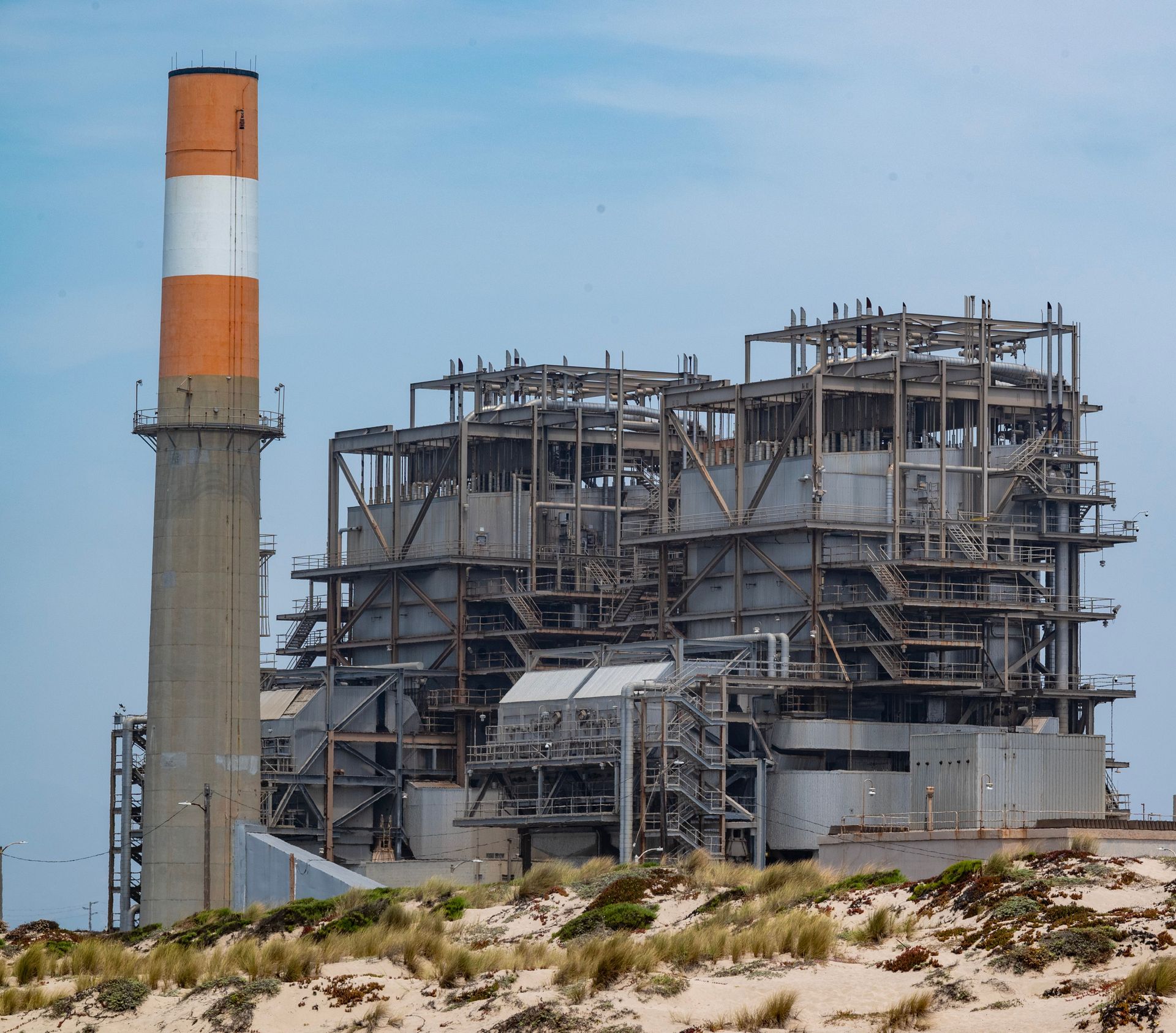
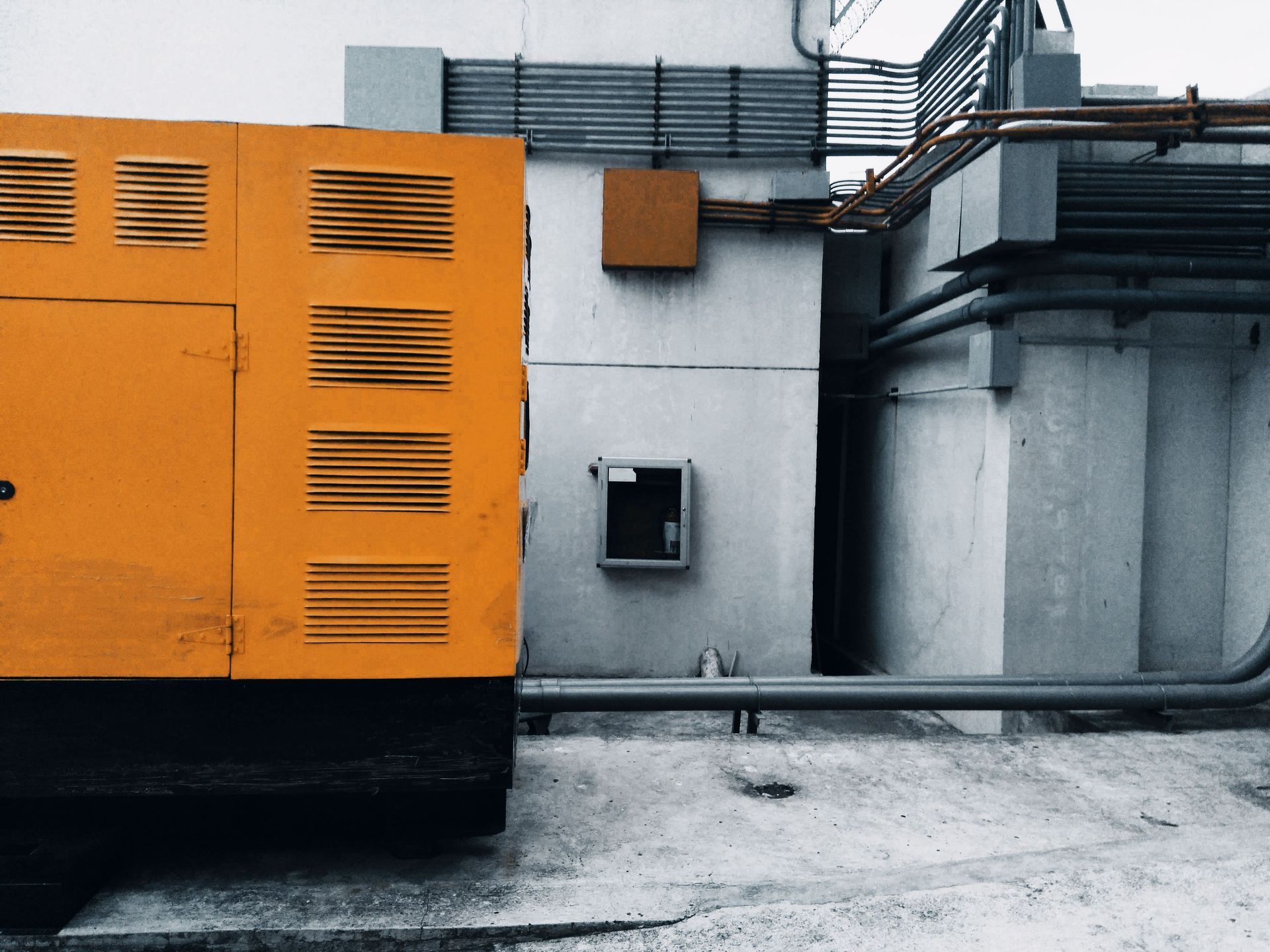
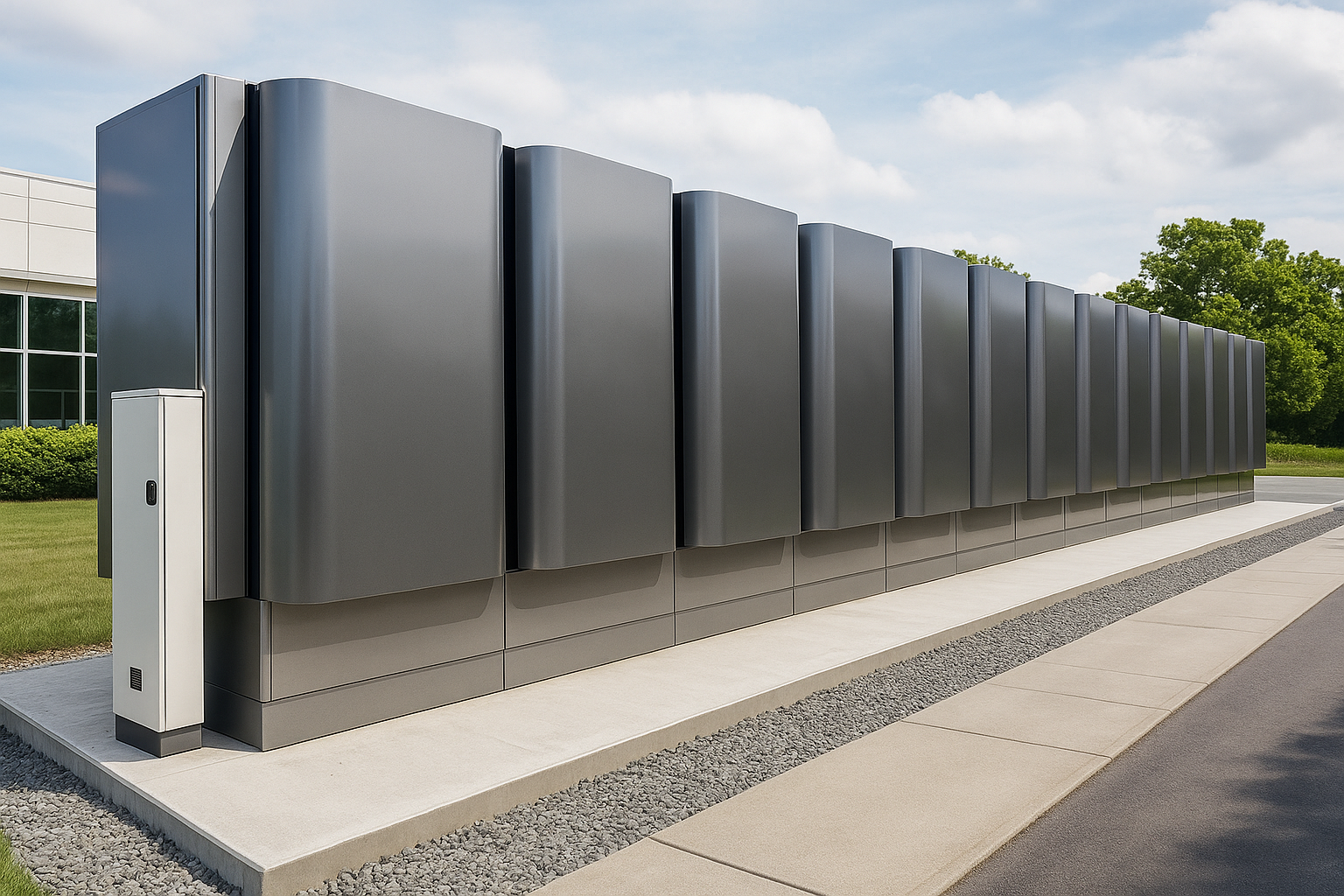
Project Types We Support
Natural Gas-to-Power: Common Questions
Is natural gas power right for my facility?
Natural gas power generation is a strong fit for facilities with high or steady energy demand, critical reliability needs, or access to a natural gas supply. A feasibility study evaluates energy use, gas availability, and project economics to confirm whether on-site generation makes sense.
How does natural gas power compare to solar and wind?
Natural gas provides on-demand power regardless of weather or time of day, while solar and wind offer lower emissions but produce power intermittently. Many facilities combine natural gas with renewables to get both reliability and sustainability.
Can natural gas power support sustainability goals?
Yes. Natural gas produces about half the carbon dioxide of coal and far fewer pollutants than diesel, and pairing it with renewables, heat recovery, or renewable natural gas reduces emissions further.
Can natural gas generators run on renewable natural gas or hydrogen?
Renewable natural gas (RNG) works as a direct replacement for conventional natural gas in standard generation equipment. Many engines and turbines can also run on hydrogen blends, some with minor modifications.
Can a natural gas generator power my facility during a grid outage?
Yes. With the right controls and switchgear, a natural gas system can disconnect from the utility grid and continue powering a facility independently, with a continuous fuel supply from the pipeline.
Can natural gas generation work with solar and battery storage?
Yes. In a microgrid, natural gas provides steady, dependable power while solar and battery storage reduce fuel use and emissions.
What is combined heat and power (CHP)?
Combined heat and power, or CHP, captures waste heat from on-site power generation and uses it for hot water, steam, heating, or cooling. This raises overall system efficiency to as much as 65–80%.
What equipment is used for natural gas power generation?
Common options include reciprocating engines, gas turbines, and fuel cells. The best choice depends on system size, efficiency goals, and heat recovery needs.
How long does natural gas generation equipment last?
With proper maintenance, natural gas generation equipment commonly operates for 20 years or more.
Can a natural gas power system be expanded or converted to other fuels later?
Yes. Systems can be designed with modular units and space for future capacity and can be prepared for alternative fuels like renewable natural gas or hydrogen.
Plan Your Natural Gas-to-Power Project
Connect with ARM Group to evaluate a site, define the permitting and interconnection pathway, or coordinate engineering and field services from concept through energization.